

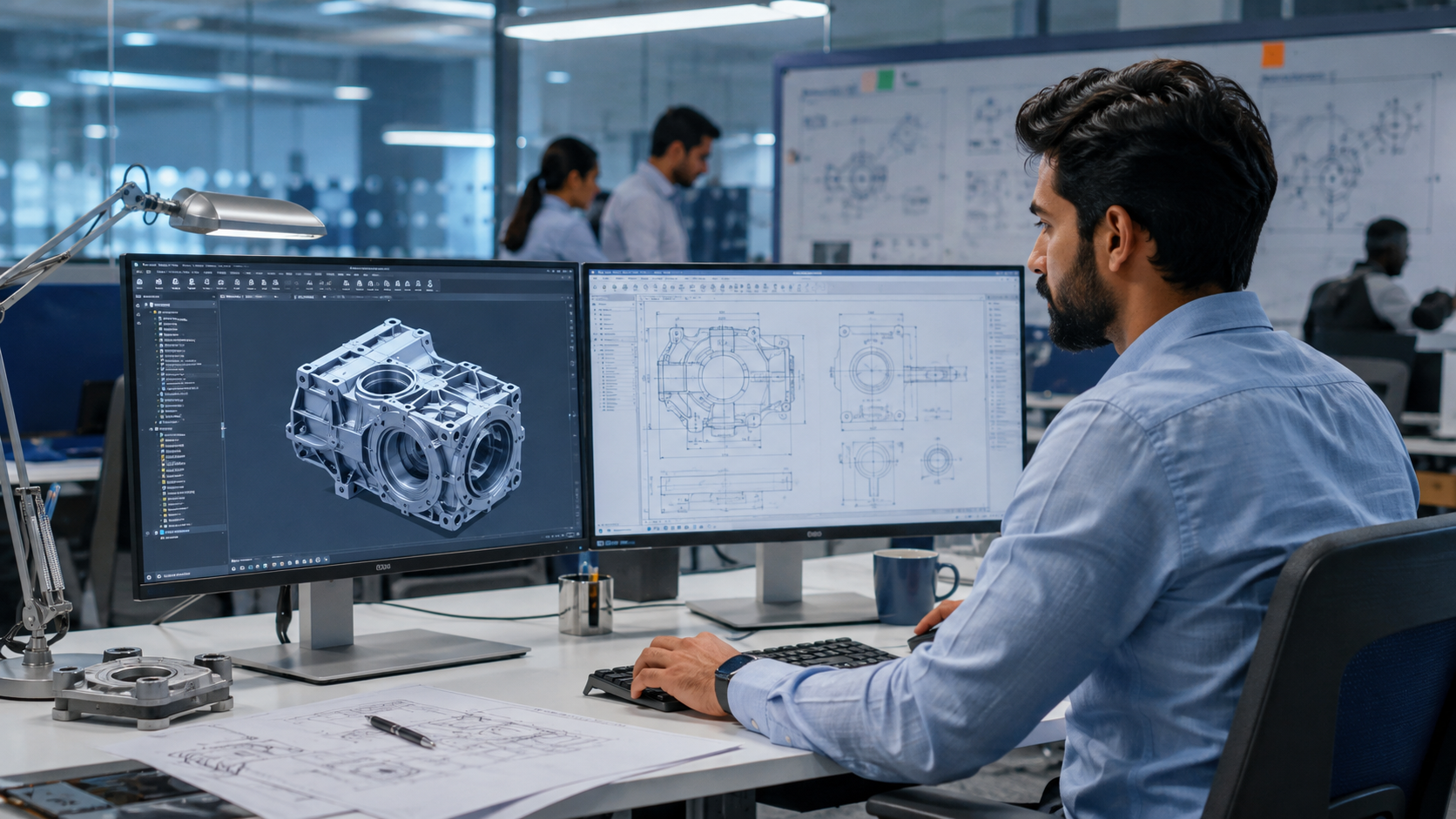
Welcome to “Design Engineer Insights: Navigating the World of Creative Engineering.” In this dynamic exploration, we delve into the fascinating realm of design engineering and unravel the intricate processes behind innovation. D engineers are the architects of tomorrow, blending technical prowess with creative ingenuity to shape the products and technologies of the future. Join us as we uncover the secrets, strategies, and inspirations that drive engineers to push boundaries and revolutionize industries worldwide.
Embark on a journey of discovery with “Design Engineer Insights: Navigating the World of Creative Engineering.” D engineers are the driving force behind progress, turning ideas into reality through their expertise and vision. In this exploration, we dive deep into the world of design engineering, exploring the challenges, triumphs, and innovative solutions that define this dynamic field. Join us as we navigate through the ever-evolving landscape of creative engineering and gain insights into the minds of those shaping the future.
Step into the world of design engineering with “Design Engineer Insights: Navigating the World of Creative Engineering.” Design engineers are the masterminds behind the seamless fusion of technology and creativity, crafting solutions that revolutionize industries and improve lives. In this captivating journey, we unravel the complexities of design engineering, shedding light on the methodologies, tools, and approaches employed by these visionaries. Join us as we explore the world of design engineering and gain valuable insights into the minds of the innovators driving progress forward.
Table of Contents
Introduction
Explanation of the importance of design engineers in driving innovation
Design engineers are the catalysts for innovation, driving progress through their expertise in conceptualizing and creating groundbreaking solutions. Their role extends beyond mere technical proficiency, as they are also responsible for infusing creativity and problem-solving into every project they undertake. Without design engineers, many of the technological advancements that define our modern world would not have been possible. From developing sustainable infrastructure to revolutionizing consumer electronics, design engineers are indispensable in shaping the future of engineering and design.
The purpose of this blog post is to highlight the pivotal role of design engineers in driving innovation across various industries. Through insightful analysis and real-world examples, we aim to showcase the diverse contributions of design engineers and emphasize their importance in shaping the world we live in. Whether you’re a seasoned professional or an aspiring engineer, this post offers valuable insights into the multifaceted role of design engineers and the impact they have on society at large.

A brief overview of the purpose of the blog post
At the heart of every technological breakthrough lies the ingenuity of design engineers. In this blog post, we delve into the significance of design engineers as the driving force behind innovation. By exploring their role in transforming ideas into tangible solutions, we aim to provide readers with a deeper understanding of the crucial role design engineers play in shaping the future. Whether you’re curious about the field of engineering or seeking inspiration for your next project, this post offers a compelling insight into the world of design engineering.
Role of Design Engineers
Design engineering encompasses the process of applying scientific principles and engineering methodologies to create innovative solutions to complex problems. Design engineers utilize their expertise in various fields such as mechanical, electrical, and civil engineering to develop products, systems, and structures that meet specific needs and requirements. The significance of design engineering lies in its ability to drive progress and innovation across a wide range of industries, from automotive and aerospace to consumer electronics and architecture. Design engineers play a crucial role in transforming abstract concepts into practical solutions that improve efficiency, enhance functionality, and enrich our daily lives.
In the realm of modern engineering, design engineers serve as the architects of innovation, blending technical proficiency with creative problem-solving skills to tackle the challenges of today and tomorrow. Their role extends beyond traditional engineering disciplines, encompassing aspects of art, design, and technology to deliver holistic solutions. Design engineers are tasked with conceptualizing, prototyping, and refining products and systems to meet the evolving needs of society. Their significance lies in their ability to bridge the gap between imagination and implementation, turning ideas into tangible realities that drive progress and shape the future.
Design engineers are the driving force behind technological advancement, utilizing their expertise to create innovative solutions that address the complex challenges of the modern world. Their work spans a wide range of industries, including automotive, aerospace, consumer electronics, and more. The significance of design engineering lies in its ability to push the boundaries of what’s possible, driving progress and shaping the future. Design engineers play a crucial role in translating ideas into practical solutions that improve efficiency, enhance functionality, and drive innovation forward.
Discussion on how design engineers bridge the gap between creativity and functionality
Design engineers excel in bridging the gap between creativity and functionality through their unique blend of skills and expertise. They start by leveraging their creative abilities to envision innovative solutions to complex problems, pushing the boundaries of what’s possible. Once a creative concept is developed, design engineers apply their technical knowledge to ensure that the design is not only aesthetically pleasing but also functional and practical. This involves conducting thorough analyses, simulations, and prototyping to refine the design and optimize its performance.
Furthermore, design engineers often collaborate closely with other professionals, such as industrial designers and manufacturing engineers, to ensure that the creative vision aligns with practical considerations. This collaborative approach allows design engineers to integrate functionality seamlessly into the design process, ensuring that the final product not only looks great but also works effectively in real-world scenarios. By striking a balance between creativity and functionality, design engineers are able to deliver innovative solutions that meet the needs and expectations of end-users while pushing the boundaries of design excellence
In addition to their technical and creative skills, design engineers also possess a deep understanding of user needs and preferences. They conduct user research and usability testing to gather feedback and insights that inform the design process, ensuring that the final product is intuitive and user-friendly. By incorporating user feedback into the design iteration process, design engineers can bridge the gap between creativity and functionality while delivering solutions that delight and inspire users.
Required Qualifications
When considering the required qualifications for a Design Engineer, a strong educational background in engineering is paramount. A bachelor’s degree in mechanical, electrical, or civil engineering is typically necessary, with some positions requiring a master’s degree or higher. Additionally, proficiency in computer-aided design (CAD) software is essential, as Design Engineers use these tools extensively to create and refine designs. Strong analytical and problem-solving skills are also crucial, as Design Engineers must be able to identify and address complex technical challenges effectively. Furthermore, effective communication skills are often required, as Design Engineers frequently collaborate with multidisciplinary teams to bring projects to fruition.
In addition to educational qualifications, relevant work experience is often highly valued in the field of Design Engineering. Many employers seek candidates with prior experience in engineering roles, particularly those involving design and product development. Internships or co-op experiences during undergraduate studies can provide valuable hands-on experience and help candidates stand out in a competitive job market. Additionally, professional certifications or licenses may be required or preferred, depending on the specific industry or jurisdiction. Overall, a combination of education, technical proficiency, and practical experience is essential for success as a Design Engineer.
Where to Search
When embarking on the job search journey as a Design Engineer, it’s essential to explore various avenues to find the right opportunities. One of the most effective strategies is to leverage online job boards and career websites dedicated to engineering positions. Websites like Indeed, LinkedIn, and Glassdoor often feature a wide range of job postings specifically tailored to Design Engineers. Additionally, professional networking platforms such as LinkedIn can be invaluable for connecting with industry professionals and exploring job opportunities through networking.
Furthermore, attending industry-specific career fairs and events can provide valuable opportunities to meet potential employers and learn about available positions. Many engineering organizations and associations host career fairs and networking events where Design Engineers can interact with recruiters and hiring managers from leading companies in the field. Building a strong professional network and staying active within the engineering community can also lead to valuable job leads and referrals.
Lastly, it’s essential to consider utilizing the services of specialized engineering recruitment agencies and headhunters. These agencies often have access to exclusive job listings and can provide personalized assistance with matching candidates to suitable positions. By partnering with a reputable recruitment agency that specializes in engineering placements, Design Engineers can streamline their job search process and increase their chances of finding the perfect opportunity.
Challenges Faced by Design Engineers
Identification of common challenges encountered by design engineers
In the dynamic field of design engineering, professionals often face a myriad of challenges that require innovative solutions and strategic thinking. One common challenge encountered by Engineers is the need to balance competing priorities and constraints, such as project deadlines, budget limitations, and technical specifications. This requires careful planning and prioritization to ensure that project objectives are met effectively while maintaining quality standards. Additionally, Engineers often grapple with the complexity of interdisciplinary collaboration, as projects may involve input from various stakeholders with divergent perspectives and expertise.
Moreover, staying abreast of rapidly evolving technologies and industry trends presents another significant challenge for Engineers. The pace of technological innovation requires continuous learning and skill development to remain competitive in the field. Engineers must continually update their knowledge and expertise to leverage the latest tools and methodologies effectively. Furthermore, navigating regulatory requirements and compliance standards can pose challenges, particularly in highly regulated industries such as aerospace or healthcare. Engineers must ensure that their designs meet all relevant regulations and standards while also optimizing performance and functionality.

Exploration of strategies used by design engineers to overcome challenges
Design Engineers employ a variety of strategies to overcome the challenges inherent in their field and ensure successful project outcomes. One effective strategy is fostering a collaborative work environment where team members can share insights and expertise, fostering innovation and problem-solving. Additionally, Engineers often utilize prototyping and iterative design processes to test and refine their solutions, allowing for rapid iteration and improvement. By breaking down complex problems into smaller, more manageable tasks, Engineers can approach challenges systematically and methodically, facilitating more effective problem-solving.
Furthermore, Design Engineers leverage advanced tools and technologies to streamline their workflows and optimize efficiency. From computer-aided design (CAD) software to simulation tools and data analytics platforms, these technologies enable Engineers to model, analyze, and iterate on designs more effectively. Additionally, ongoing professional development and training play a crucial role in equipping Engineers with the skills and knowledge needed to tackle new challenges and stay ahead of industry trends. By investing in continuous learning and skill development, Engineers can adapt to evolving challenges and remain at the forefront of innovation in their field.
Strategies for Success
Highlighting key strategies employed by design engineers to achieve success
Design Engineers employ a range of strategic approaches to ensure success in their projects and careers. One fundamental strategy is effective communication, both within multidisciplinary teams and with stakeholders. Clear and open communication fosters collaboration, ensures alignment of goals, and facilitates problem-solving. Additionally, Engineers prioritize thorough planning and project management to maintain project timelines and budgets. By breaking down complex tasks into smaller, manageable milestones, they can track progress and address any issues that arise promptly.
Moreover, Engineers emphasize the importance of innovation and creativity in their work. They continuously seek out new ideas, approaches, and technologies to push the boundaries of what’s possible. This commitment to innovation enables them to develop novel solutions to challenging problems and stay ahead of the curve in their field. Additionally, Engineers prioritize continuous learning and professional development to stay abreast of the latest advancements in engineering and design. By expanding their skill set and knowledge base, they can adapt to evolving industry trends and maintain their competitive edge.
Furthermore, Design Engineers prioritize attention to detail and quality in their work. They meticulously review designs, conduct thorough analyses, and perform rigorous testing to ensure that their solutions meet the highest standards of performance and reliability. By maintaining a focus on quality throughout the design process, Engineers can mitigate risks and deliver exceptional results that exceed expectations. Additionally, they embrace a mindset of continuous improvement, seeking feedback and actively seeking opportunities to refine their processes and methodologies. This commitment to excellence enables Engineers to consistently deliver outstanding outcomes and drive success in their projects.
Providing insights into the mindset and skill set required for effective design engineering
Effective d engineering requires a unique combination of mindset and skill set that enables professionals to excel in their roles. Firstly, D Engineers must possess a creative and innovative mindset, allowing them to think outside the box and develop unique solutions to complex problems. This mindset enables them to approach challenges with a fresh perspective, fostering innovation and pushing the boundaries of what’s possible. Additionally, strong problem-solving skills are essential for Engineers, as they must be able to analyze problems, identify root causes, and develop effective solutions that meet project objectives.
Furthermore, effective communication skills are crucial for Design Engineers to collaborate effectively with multidisciplinary teams and convey technical concepts to non-technical stakeholders. Clear and concise communication ensures that everyone involved in the project is aligned on goals and expectations, facilitating smoother project execution. Additionally, Engineers must possess strong technical skills, including proficiency in computer-aided design (CAD) software, mathematical modeling, and analysis tools. These technical skills enable D Engineers to translate concepts into detailed designs and validate their solutions through rigorous testing and analysis.
Moreover, adaptability and resilience are key traits for Design Engineers, as they often encounter unforeseen challenges and setbacks during the design process. The ability to remain flexible and adapt to changing circumstances is essential for overcoming obstacles and achieving project success. Additionally, a commitment to lifelong learning is crucial for Engineers to stay abreast of the latest advancements in technology and engineering practices. By continually expanding their knowledge and skill set, Engineers can ensure that they remain at the forefront of their field and deliver innovative solutions that meet the evolving needs of society.
Job Location Considerations
When considering job locations as a Design Engineer, it’s essential to weigh various factors to find the optimal fit for your career goals and lifestyle. One consideration is the proximity to major industry hubs or technology centers, which may offer a wealth of job opportunities and networking opportunities within the engineering field. Additionally, the cost of living and quality of life in a particular location can significantly impact your overall satisfaction and well-being. By researching and evaluating different job locations, D Engineers can make informed decisions that align with their professional and personal priorities.
| City | Job Availability | Salary Bracket (INR per annum) |
| Mumbai | High | 3,00,000 – 15,00,000 |
| Pune | High | 3,00,000 – 14,00,000 |
| Nagpur | Moderate | 2,50,000 – 10,00,000 |
| Nashik | Moderate | 2,50,000 – 10,00,000 |
| Aurangabad | Moderate | 2,50,000 – 10,00,000 |
In Maharashtra, Design Engineer job opportunities are abundant in cities like Mumbai, Pune, Nagpur, Nashik, and Aurangabad. Mumbai and Pune, being major industrial and technological hubs, offer a high availability of D Engineer positions across various sectors, including automotive, manufacturing, and IT. The salary bracket for Engineers in these cities ranges from INR 3,00,000 to INR 15,00,000 per annum, depending on factors such as experience and industry specialization. Nagpur, Nashik, and Aurangabad also provide moderate job availability for D Engineers, with salary brackets ranging from INR 2,50,000 to INR 10,00,000 per annum. Overall, Maharashtra presents a diverse range of job prospects for D Engineers, with salary standards reflecting the dynamic nature of the industry and the region’s economic landscape.
Future Trends and Opportunities
Discussion on emerging trends in design engineering
Design engineering is continuously evolving, with emerging trends shaping the future of the field. One prominent trend is the integration of artificial intelligence (AI) and machine learning (ML) into the design process. Engineers are leveraging AI-powered tools to automate repetitive tasks, optimize designs, and analyze complex data sets, leading to faster innovation cycles and improved efficiency. Additionally, the rise of additive manufacturing, or 3D printing, is revolutionizing the way products are designed and produced. Engineers are exploring new materials and techniques to harness the potential of 3D printing for creating intricate, customizable designs with minimal waste.
Furthermore, sustainability has become a key focus area in engineering, with an increasing emphasis on eco-friendly and energy-efficient solutions. Engineers are incorporating principles of sustainable design into their projects, such as using recycled materials, minimizing environmental impact, and designing for longevity and recyclability. This shift towards sustainable design not only addresses pressing environmental concerns but also presents opportunities for Design Engineers to innovate and differentiate their products in the market.
Moreover, the advent of digital twin technology is transforming the way Engineers conceptualize, simulate, and optimize designs. Digital twins are virtual replicas of physical products or systems that enable real-time monitoring, analysis, and optimization throughout the product lifecycle. Design Engineers are leveraging digital twin technology to visualize design iterations, simulate performance under different conditions, and predict maintenance needs, resulting in more robust and reliable designs. As digital twin technology continues to advance, it promises to revolutionize engineering by providing unprecedented insights and capabilities for optimizing product performance and user experience.
Exploration of potential opportunities for aspiring design engineers
For aspiring Design Engineers, the future is ripe with potential opportunities across various industries and sectors. One area of growth lies in the field of renewable energy, where Engineers play a crucial role in developing innovative solutions for harnessing solar, wind, and other renewable resources. With the global shift towards sustainability, there is a growing demand for Engineers skilled in creating efficient and environmentally friendly energy systems.
Additionally, the rise of smart technologies presents exciting opportunities for Design Engineers to contribute to the development of interconnected, IoT-enabled devices and systems. From smart homes and wearable technology to autonomous vehicles and smart cities, there is a vast landscape of possibilities waiting to be explored. Engineers can leverage their expertise to create cutting-edge products and services that enhance connectivity, efficiency, and convenience in our increasingly digitized world.
Moreover, the healthcare industry offers promising opportunities for Design Engineers to make a meaningful impact on people’s lives. From medical device design to healthcare facility planning and biomedical engineering,Engineers play a vital role in advancing healthcare technologies and improving patient care. As healthcare continues to evolve with advancements in technology and medicine, there is a growing need for skilled Engineers to drive innovation and shape the future of healthcare delivery.
Conclusion
Recap of the importance of design engineers in driving innovation
In conclusion, the role of a Design Engineer is multifaceted and indispensable in driving innovation across various industries. Engineers serve as the architects of creativity, blending technical expertise with artistic flair to bring ideas to life. As technology continues to advance and industries evolve, the demand for skilled Design Engineers is expected to grow, presenting exciting career opportunities for aspiring professionals. By staying abreast of emerging trends, honing their skills, and embracing a mindset of continuous learning, Engineers can thrive in a rapidly changing landscape and make meaningful contributions to society.
In summary, Design Engineers play a pivotal role in shaping the future of technology, engineering, and design. Their ability to bridge the gap between creativity and functionality enables them to develop innovative solutions that address complex challenges and improve the quality of life for people around the world. As the demand for sustainable, efficient, and user-centric solutions continues to rise, Engineers will remain at the forefront of innovation, driving progress and shaping the future of industries. With their unique blend of skills and expertise, Engineers are poised to make a lasting impact and leave a legacy of innovation that shapes the world for generations to come.